4/15/20

2020 Writing Exercise Series #105: Beginning & Ending with Yellow 11


The Notebooking Daily 2020 Writing Series is a daily writing exercises for both prose writers and poets to keep your creative mind stretched and ready to go—fresh for your other writing endeavors. The writing prompts take the impetus—that initial crystal of creation—out of your hands (for the most part) and changes your writing creation into creative problem solving. Instead of being preoccupied with the question "What do I write" you are instead pondering "How do I make this work?" And in the process you are producing new writing.

These exercises are not meant to be a standard writing session. They are meant to be productive and to keep your brain thinking about using language to solve simple or complex problems. The worst thing you can do is sit there inactive. It's like taking a 5 minute breather in the middle of a spin class—the point is to push, to produce something, however imperfect. If you don't overthink them, you will be able to complete all of the exercises in under 30 minutes.
#105
Beginning & Ending with Yellow 11

F
or today's writing exercise you will write a piece of poetry or prose which begins with one image, scenario, line of dialog or place and ends with another, and an optional additional requirement.


Begin With: A field of sunflowers.

End With: Someone tossing another person a freshly-picked lemon.

Extra Credit Requirements: Include in the first two paragraphs/stanzas the smell of burning wood or embers; and somewhere in your piece include the words: "Tooth" "Gloom" "Flute" "Engine" and "Doldrums".
------------------------------------

If you'd like some unobtrusive background music, let''s go ambient today with this pipe organ and whale/dolphin video—does it heal you body and soul? I'm more of a skeptic than an expert, but it's better than silence when you're trying to write, and isn't distracting.

4/14/20

2020 Writing Exercise Series #104: Title Mania Plus "LA" 15


The Notebooking Daily 2020 Writing Series is here! These are daily writing exercises for both prose writers and poets to keep your creative mind stretched and ready to go—fresh for your other writing endeavors. The writing prompts take the impetus—that initial crystal of creation—out of your hands (for the most part) and changes your writing creation into creative problem solving. Instead of being preoccupied with the question "What do I write" you are instead pondering "How do I make this work?" And in the process you are producing new writing.

These exercises are not meant to be a standard writing session. They are meant to be productive and to keep your brain thinking about using language to solve simple or complex problems. The worst thing you can do is sit there inactive. It's like taking a 5 minute breather in the middle of a spin class—the point is to push, to produce something, however imperfect. If you don't overthink them, you will be able to complete all of the exercises in under 30 minutes.
#104
Title Mania Plus "LA"  15

For today's writing exercise you will write a piece of poetry or prose which uses one of the following as its title. For a bonus challenge use the additional exercise of five random constraints.

Today's titles all come from the poem "The Oldest Living Thing in LA" by Larry Levis which is one of the three poems from today's National Poetry Month "Activity Pack".


Titles:
  1. Wilshire & Santa Monica
  2. The Breath of Moving Traffic
  3. In Twenty Seconds
  4. Someone or Other
  5. The Kind of Thing Small Knights Once Wore into Battle
  6. Brightly Lit

Bonus Exercise: 5 Random Constraints
(I recommend picking any required words or lines before writing with a little surplus for options, but with your chosen title in mind)
  1. The first or second word of your piece must be a street name.
  2. You must include at least five words which rhyme with "Mole".
  3. You must include three compound adjectives.
  4. You must include the words "Button" "Stub" "Marinate" "Pretzel" and "Microphone".
  5. You must include in your piece at least one sports team or book/movie title.

------------------------------------

If you'd like some background music to write to that is nice and unobtrusive, try this "Lo-Fi for Witches" mix from the Homework Radio youtube channel.


National Poetry Month 2020 Activity Pack Day 14


April 2020 nears its middle and we persist through the glorious...
Every day for National Poetry Month I'll be posting a few fun or interesting poetry links or videos, a Throwback writing prompt from this site, a few poems published in the last couple years and a couple classic poems—things that are poetry-related interesting or fun.

You will have a change to write poetry even if you've never done it before—the writing prompts aim to demystify the process of writing a poem. This will not take the place of the 2020 Writing Exercise Series, but will be in addition to it, so there will be a bounty of poetry to feast your eyes upon.

So. Let's begin.

April 14, 2020
National Poetry Month 2020 Activity Pack Day 14


1)  Let's begin with getting a little more Rita Dove into our lives. Check out this interview with PBS about selecting the poems for The Penguin Anthology of 20th Century American Poetry which she was chosen as editor.

part II


2) TV TIME! Let's start off with a few of Rita Dove's awesome short poems. First here is Rita Dove reading her poem "Chocolate".


And here is a video of her reading 2 more short poems, "Singsong" and "Fox Trot Fridays"

And now for something a little different, here is a video of Charles Simic reading the poem Summer Morning". I've read so much of Simic's work over the years, it's interesting to hear a poem in his own voice. Also I love that the only comment on this video at the moment is someone saying "Hello Mr. Simic."

3) Now go read one, or preferably all of the following three 'recently' published poems:

"Robocall" by Veejay Seshadri in Ocean State Review 2019.
"Music Indoors" by Adam Gianforcaro in Cincinnati Review miCRo July, 2019. 

4) Go read all of the following three short poems that were published more than two years ago:


5) We will be focusing on the magazine 3 Elements a little later in the month, but for now let's use their featured prompt for today's game/exercise. The gimmick of the journal is just like my "Three Things" exercises, they have a required set of three things that must be used in your piece, and that's it. They publish all genres yadda yadda. Check out the link if you're so excited about it, geez. If you love them so much why don't you marry them?

So, the current prompt has a deadline of May 31st, so you have time to write a few options, polish them up and then put off submitting for a couple weeks, polish the piece again and finally send it off to them. The current required items are: Lobe, Parrot, and Half-life
Let's brainstorm a little bit first. Lobe—first thought is likely either earlobe or a brain's lobe—frontal lobe, likely... those are definitely the most popular usages. It is also just a round shape so a pear would be an example of something lobe-shaped, or a teardrop diamond... An actual teardrop of heavy raindrop. Then, parrot is both the animal and to repeat something (without understanding it or thinking about it usually), as well as a last name, and even a a lunar crater. Half-life is of course a very popular video game series spanning from 1998 to the most recent release Half-life Alyx which came out on March 23rd. And it is also quite famously, the time it takes for something to decay by half of its size, as expressed by the symbol t1⁄2. In my house the half-life of a box of Chewy Gobstoppers is about 10 minutes, for instance.

So with those three things there are almost innumerable options. Before you decide exactly what you want to do, make a list of five non-obvious options for each item—for instance, LOBE: A water balloon, an avocado, a bubble being blown by a little kid at a birthday party, a sidewall bubble in a car's tire after clipping a curb not-quite-hard-enough to blowout, a hamster's water bottle with a drip hanging off just waiting to be sipped. See? Easy. Once you have those five things for each word, figure out which two items are absolutely indispensable—in my experience one thing will especially stick out, then another will make a lot of sense in your head. Ostensibly, with a "Three thing" exercise, you're trying to triangulate some sort of meaning using the three coordinate points to illuminate a more exact/specific idea or story. With any poem, really. But in the three thing exercise I think that's especially true. 

Now write your piece! Include at least 2 items from each list, one being very important and the other not as much.

6) The time machine is set to May 24th, 2016 for this "Three Things" exercise, since we've gotten started with the 3 things theme. The things are named and an example of how they might interact. Pitter patter. Try to write your first draft in fifteen minutes—that means no dawdling! Think on it for a couple minutes then write first thought best thought.

7) If you'd like more on Rita Dove, check out the documentary Rita Dove: An American Poet by documentarian Eduardo Montes-Bradley. It's really good, and includes original interviews and readings, but it is almost an hour long so I'm going to count this as 'bonus material' because I'm trying to keep these packs to about an hour's worth of poetry. But if you want an extra dose today, watch this insightful documentary.

4/13/20

2020 Writing Exercise Series #103: 3x5x7 Wordbank Sprints 13


The Notebooking Daily 2020 Writing Series is a daily writing exercises for both prose writers and poets to keep your creative mind stretched and ready to go—fresh for your other writing endeavors. The writing prompts take the impetus—that initial crystal of creation—out of your hands (for the most part) and changes your writing creation into creative problem solving. Instead of being preoccupied with the question "What do I write" you are instead pondering "How do I make this work?" And in the process you are producing new writing.

These exercises are not meant to be a standard writing session. They are meant to be productive and to keep your brain thinking about using language to solve simple or complex problems. The worst thing you can do is sit there inactive. It's like taking a 5 minute breather in the middle of a spin class—the point is to push, to produce something, however imperfect. If you don't overthink them, you will be able to complete all of the exercises in under 30 minutes.

#103
3x5x7 Wordbank Sprints 13
For today's writing exercise complete the following steps. The wordbank exercise has changed so be sure to take a peek at the new 'rules'. I recommend using the timer on your phone or computer and setting it for 1 minute. Each time you write a sentence, quickly reset the timer. If it goes off before you're finished with the sentence—wrap it up ASAP!

In order to complete the large number of sentences demanded of this exercise it is imperative that you write fast. Don't think too much at all until you've reached the final exercise. The process of this quick production is to thrust past second guesses or other stumbling blocks that sometimes impede your writing. You're aiming to write 23 sentences in at most 20 minutes so you have ten minutes to organize and write that actual piece, so you're going to be writing more than a sentence a minute.

WRITE FAST, DON'T OVERTHINK


  1. Pick one word from each of three groups and write a sentence that includes all of the words, feel free to change tense, pluralize, gerund etc. Repeat the process five (5) times using different combinations. No dawdling! 
  2. Now write three (3) sentences that are six (6) words or fewer in length that use any two (2) words from the wordbanks.
  3. Now write three (3) sentences that use four (4) or more of the words.
  4. Now write five (5) sentences which begin with one (1) of the words and contain a second one (1) of the words.
  5. Now write five (5) sentences which are fewer than ten (10) words in length and conclude with one (1) of the words from the wordbanks. Remember, keep up the pace! Don't overthink!
  6. Now rephrase two (2) of your sentences from exercise #1 in either a more efficient or more descriptive manner.
  7. Now write a piece of fiction or poetry that uses at least three (3) of the sentences you've written throughout this process of exercises. Try to use as many of the (good) sentences as you can, or parts of the sentences if the whole thing doesn't fit or works better altered.


Word Bank 1:
  • Lump
  • Glitter
  • Filth
  • Hellion
  • Dalmatian
Wordbank 2:
  • Martian
  • Pocket
  • Jam
  • Pop
  • Gut

Wordbank 3
:
  • Drum
  • Moon
  • Examine
  • Yelp
  • Looming

Bonus writing exercise: In your piece, include a toy from your childhood and someone cracking loose ice cubes from an ice cube tray.

------------------------------------

Want some background writing music? Try "Collecting Pieces" by Park Bird and feel like you're writing inside a Super Nintendo RPG.


National Poetry Month 2020 Activity Pack Day 13


13 ways of looking at April 2020 and here we are, still in... 
Every day for National Poetry Month I'll be posting a few fun or interesting poetry links or videos, a Throwback writing prompt from this site, a few poems published in the last couple years and a couple classic poems—things that are poetry-related interesting or fun.

You will have a change to write poetry even if you've never done it before—the writing prompts aim to demystify the process of writing a poem. This will not take the place of the 2020 Writing Exercise Series, but will be in addition to it, so there will be a bounty of poetry to feast your eyes upon.

So. Let's begin.

April 13, 2020
National Poetry Month 2020 Activity Pack Day 13


1)  Today let's begin with a little Naomi Shihab Nye. First watch this short video of her reading her poem "How Do I Know When a Poem Is Finished" which was part of "Dear Poet", the Academy of American Poets' educational project for National Poetry Month 2015.


Now check out this little talk she did about teaching poetry but more specifically, about demystifying poetry, and how to help others do that for themselves.


And finally, watch this video of Naomi Shihab Nye talking briefly about her poem "Kindness" and the pretty crazy story behind its composition, she says she didn't write it, she was the poem's secretary, as she felt it wasn't so much of a creation but... well, just watch the video, it's insightful and under five minutes, what else are ya doing for five minutes that's so important?


2) Now it's TV TIME! First let's start with this somewhat 'dramatic' reading of T.S. Eliot's poem "Silence" by none other than Thorin of The Hobbit fame, Richard Armitage.


Now check out this animation by the folks over at Poetry Reincarnations who make animations from a still image for old poetry recordings that don't have video recordings available of the poet reading. A little creepy, but mostly cool, watch this Dorothy Parker reading of her poem "One Perfect Rose"


And finally, listen to Thom Gunn talking about how he had a 2-lined poem used in a "poetry in public" sort of ad campaign which resulted in a funny graffiti addition, then reading his poem "The Home"


3) Now go read one, or preferably all of the following three 'recently' published poems:


4) Go read all of the following three short poems that were published more than two years ago:


5) I love word scrambles and anagrams, so sue me. Today's game is again Poetry Anagrams. See if you can unscramble the words/phrases, or at least come up with wittier questions which could result in the given anagram.

(What I really don't want to do should I ever meet Mr. Tyson)
R I L E   M I K E

(A very small preying bug is a...)
M I C R O   M A N T I S

(The collaboration of Dalai Lama and Matthew McConaughey on the track would surely be a)
Z E N   R A P   D U O

(In the future technological age the Pope will beatify...)
E - S A I N T S

(The to do list of Ice-T's new neurologist)
I   M E E T ,   B R A I N    M A P   I C E - T

(When a pole vaulter slices their hand during a jump they've been)
P O L E   C U T

I'll include the answers in tomorrow's poetry game if you want to make sure your answers are correct, or figure out that one you just couldn't get.

6) Step into the time machine today and go back to January 24th, 2016 for this Weekend Triple Threat exercise which includes a title, a 'five random constraint' prompt, and finally an 'inspired by' prompt from a piece of micro fiction from Microfiction Monday.

4/12/20

2020 Writing Exercise Series #102: Six Word Shootout 7


The Notebooking Daily 2020 Writing Series is a daily writing exercises for both prose writers and poets to keep your creative mind stretched and ready to go—fresh for your other writing endeavors. The writing prompts take the impetus—that initial crystal of creation—out of your hands (for the most part) and changes your writing creation into creative problem solving. Instead of being preoccupied with the question "What do I write" you are instead pondering "How do I make this work?" And in the process you are producing new writing.

These exercises are not meant to be a standard writing session. They are meant to be productive and to keep your brain thinking about using language to solve simple or complex problems. The worst thing you can do is sit there inactive. It's like taking a 5 minute breather in the middle of a spin class—the point is to push, to produce something, however imperfect. If you don't overthink them, you will be able to complete all of the exercises in under 30 minutes.

#102
Six Word Shootout 7

For today's writing exercise write a piece that includes the following six words. While it perfectly sets you up for a sestina, feel free to write whatever you'd like (but ya know, give that sestina a shot!). Also feel free to make slight alterations to the required words if you want to avoid that eye-pokey repetition you can find in sestinas sometimes. All the words will either have homonyms or have easy substitution options, so look for those homonyms!

Required Words: 

1) Heir
2) Altar 
3) Bare
4) Scent
5) Conduct
6) Holey

-
Bonus Exercise: Choose your title from within the poem "Saying Goodbye to Very Young Children" by John Updike—a couple examples would be "Just Slightly Off", "Pure Blue" "When You Were Zero" or "Boring Aunts and Neighbors" among many other  great moments from the tremendous poem.  
------------------------------------

If you'd like some background music to write to, try this Pete Seeger Greatest Hits album.


National Poetry Month 2020 Activity Pack Day 12


April is unrelenting... and since it's here to stay let's celebrate: 
Every day for National Poetry Month I'll be posting a few fun or interesting poetry links or videos, a Throwback writing prompt from this site, a few poems published in the last couple years and a couple classic poems—things that are poetry-related interesting or fun.

You will have a change to write poetry even if you've never done it before—the writing prompts aim to demystify the process of writing a poem. This will not take the place of the 2020 Writing Exercise Series, but will be in addition to it, so there will be a bounty of poetry to feast your eyes upon.

So. Let's begin.

April 12, 2020
National Poetry Month 2020 Activity Pack Day 12


1)  One of the fun things about putting together these activity packs is that I'm coming across a lot of videos that only have a few hundred views, but that have great content. To warm up in the poetry realm today, let's learn how to sign a Sara Teasdale poem in American Sign Language in one of those such videos.


2) Now take a little video break and check out some very different reading styles. First we have a very emotive Sage Francis, indie hip hop luminary and former SLAM poet reading his poem Hopeless which appeared on one of my top 5 albums of all time, Personal Journals.


Now check out out this reading of Dylan Thomas reading his famous villanelle "Do Not Go Gentle Into That Good Night" in his very distinctive 'poet' voice.


And finally, here is yet another reading style in Sylvia Plath reading her famous poem "Daddy".


3) Now go read one, or preferably all of the following three 'recently' published poems:

"Blur" by James Croal Jackson in Pacifica Literary Review 15.2. 

4) Go read all of the following three short poems that were published more than two years ago:


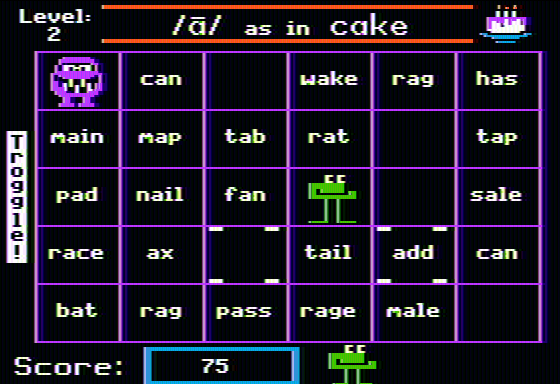
5) Time for a word game! In this case, I'm sending you back in time and space to the wonderful Minnesota public schools in the late-1980-early 90s where the Minnesota Educational Computing Consortium reigned like benevolent kings. They brought the world the awesome educational games Number Munchers, Word Munchers, Odell Lake... but of course everyone's favorite Oregon Trail. Anyway, to get you in a rhyming mood, go play one game of Word Munchers, take note of some of the words that either rhyme or share assonance as you play, but have fun. See how high of a score you can get.

6) Since we're all about time travel today already, let's go to April 8, 2017 for this Rhymebank exercise since we've read a bunch of rhymed poems, watched rhymes, played Word Munchers... it's only fitting.

4/11/20

2020 Writing Exercise Series #101 The Boy/Girl Anaphora—Repetition Files 6


The Notebooking Daily 2020 Writing Series is a daily writing exercises for both prose writers and poets to keep your creative mind stretched and ready to go—fresh for your other writing endeavors. The writing prompts take the impetus—that initial crystal of creation—out of your hands (for the most part) and changes your writing creation into creative problem solving. Instead of being preoccupied with the question "What do I write" you are instead pondering "How do I make this work?" And in the process you are producing new writing.


These exercises are not meant to be a standard writing session. They are meant to be productive and to keep your brain thinking about using language to solve simple or complex problems. The worst thing you can do is sit there inactive. It's like taking a 5 minute breather in the middle of a spin class—the point is to push, to produce something, however imperfect. If you don't overthink them, you will be able to complete all of the exercises in under 30 minutes.

#101
The boy/girl Anaphora—Repetition Files 6

For today's writing exercise you will write a piece of poetry or prose which focuses on repetition. In this instance we will work with anaphora. It's a handy little bit of poetic craft that goes a little something like this:

the repetition of a word or words at the beginning of successive phrases, clauses, or lines to create a sonic effect.
Take a moment and read the above-linked Poetry Foundation article, even if you know the term. For even more fun check out this longer article called Adventures in Anaphora.

The word or phrase we'll use for our exercise today is:

"The boy" or "The girl"

    There are a number of ways you could approach this bit of anaphora. You could write an ostensibly autobiographical poem (or, autobiographical for the poem's narrator). You could be narrating something the poetic 'you' are watching in person or even on television, on the community theater stage or a kindergarten music recital. It could be describing a painting or imagining the average day for the girl on the Morton salt logo. Or do something completely different. Just be sure that the repeated phrase earns its worth in your piece. It should be necessary.

    Bonus Exercise: Include these five words into your piece "Erroneous" "Tweak" "Tangerine" "Hourly" and "Volatile".
    ------------------------------------

    If you'd like some background music to write to, try this 1981 album from Lebanese musician Rabih Abou-Khalil entitled "Between Dusk and Dawn"


    National Poetry Month 2020 Activity Pack Day 11


    We love April. Since it's here to stay let's celebrate: 
    Every day for National Poetry Month I'll be posting a few fun or interesting poetry links or videos, a Throwback writing prompt from this site, a few poems published in the last couple years and a couple classic poems—things that are poetry-related interesting or fun.

    You will have a change to write poetry even if you've never done it before—the writing prompts aim to demystify the process of writing a poem. This will not take the place of the 2020 Writing Exercise Series, but will be in addition to it, so there will be a bounty of poetry to feast your eyes upon.

    So. Let's begin.

    April 11, 2020
    National Poetry Month 2020 Activity Pack Day 11


    1)  To start off today, let's watch this playful Crash Course on everyone's favorite emdasher, Emily Dickinson. Not a deep dive, nor much news for those very familiar with her poems and biography, but there's some good info and it's a nice light video with some animations and silliness worked in to make it fit in with what we think of as edutainment.

    2) I love Sharon Olds and how she balances the humorous with the poignant. This first poem is no exception, it's titled "Douche Bag Ode"


    Here Olds again uses wit within a serious subject, weaving back and forth between the two effortlessly.


    And finally, here is a nice video of her reading snippets of poems interspersed with her discussing being an autobiographical poet and how people in her life react to that.


    3) Now go read one, or preferably all of the following three 'recently' published poems:

    "What Comes Easy" by John Blair in Roanoke Review 2020.
    "Defunct Words and Phrases Thanks to the Coronavirus Crisis" by Emily Flamm in McSweeney's Internet Tendency April 7, 2020.
    "When You Are Invisible, You Can Say Anything" by Valentina Gnup in Lascaux Review, 2019 Poetry Prize winner. 

    4) Go read all of the following three short poems that were published more than two years ago:


    5) For little silliness, here's an image I made awhile back when a little section of Pinky and the Brain struck me. Was it actually about poetry? Well, in my head I pictured how most people react when you talk about poetry, so that's all that matters.


    6) The time machine is set for July 16th, 2014 for this ekphrastic exercise about living and working in one of the 'buildings' from a series of photos by artist Filip Dujardin.

    4/10/20

    National Poetry Month 2020 Activity Pack Day 10


    We love April. Since it's here to stay let's celebrate: 
    Every day for National Poetry Month I'll be posting a few fun or interesting poetry links or videos, a Throwback writing prompt from this site, a few poems published in the last couple years and a couple classic poems—things that are poetry-related interesting or fun.

    You will have a change to write poetry even if you've never done it before—the writing prompts aim to demystify the process of writing a poem. This will not take the place of the 2020 Writing Exercise Series, but will be in addition to it, so there will be a bounty of poetry to feast your eyes upon.

    So. Let's begin.

    April 10, 2020
    National Poetry Month 2020 Activity Pack Day 10


    1)  Let's start today out with some funny hip hop/poetry videos. First we have a very bored Wes Tank rapping the Dr. Seuss book Fox in Sox. It's tangentially poetry, especially in that sound category. Plus it's entertaining as all heck.


    Next is even more for the fun than the educational enrichment. Chris Leavins gives a recital a selection of lyrics from T-Pain's song "Buy You a Drank".


    2) And now let's get a little serious. Aesop Rock is notoriously the most verbose rapper ever, and he is one of the few rappers out there that could genuinely have his lyrics stand up on the page—which means they are too dense for many listeners, but those that get it, love him.  

    He just released an amazing sci fi narrative song about a space mission gone awry. I love the increasingly desperate sound he gives the repeating phrase "Do you read me" throughout the song. I'll write more about this to be sure but listen to the song once or twice. He writes in metaphor as much as a modern poet and there are some tremendous moments in this song. The video is very cool too. I want to play that game!


    And for good measure, here is an older narrative song of Aesop Rock's which is much more straightforward—perhaps his most straightforward song, but also one of my favorites. It doesn't have an official video, but here's an interesting animation I found by the artist Dekay (titled "Lucy")


    3) Now go read one, or preferably all of the following three 'recently' published poems:

    "Habit" by Gail Martin in Barnstorm November 29, 2019. 

    4) Go read all of the following three short poems that were published more than two years ago:


    5) Since we focused on hip hop and Aesop Rock earlier, let's get a little dose of more poetry-poetry here. In a second. First check out this short video about Nick Flynn talking about his journey as a writer from being a prose writer to a poet and then a memoirist.


    Here is Flynn reading his poem "haiku (failed)" after what looks like being hiacked at AWP by a PBS camera crew.


    And finally, with a lot of people home schooling their kids, or trying to find enriching activities to do with their homebound families, it seems fitting to link this short video of Nick Flynn discussing teaching poetry to children and why it is important. He mentions the poem "A Story That Could Be True" which is linked in #4.


    6) Step into the time machine and travel back to September 1st 2019 to do this Literary Mad Libs with the Emily Dickinson poem "Come Slow—Eden!" and the sequence of exercises to extract a brand new poem from the game's result.

    2020 Writing Exercise Series #100: Three Things Together 14


    The Notebooking Daily 2020 Writing Series is a daily writing exercises for both prose writers and poets to keep your creative mind stretched and ready to go—fresh for your other writing endeavors. The writing prompts take the impetus—that initial crystal of creation—out of your hands (for the most part) and changes your writing creation into creative problem solving. Instead of being preoccupied with the question "What do I write" you are instead pondering "How do I make this work?" And in the process you are producing new writing.


    These exercises are not meant to be a standard writing session. They are meant to be productive and to keep your brain thinking about using language to solve simple or complex problems. The worst thing you can do is sit there inactive. It's like taking a 5 minute breather in the middle of a spin class—the point is to push, to produce something, however imperfect. If you don't overthink them, you will be able to complete all of the exercises in under 30 minutes.

    #100
    Three Things Together 14

    For today's writing exercise you will write a piece of poetry or prose which contains the following three things, Nice and simple.


    1. A Rubber Band
    2. A Mourning Dove
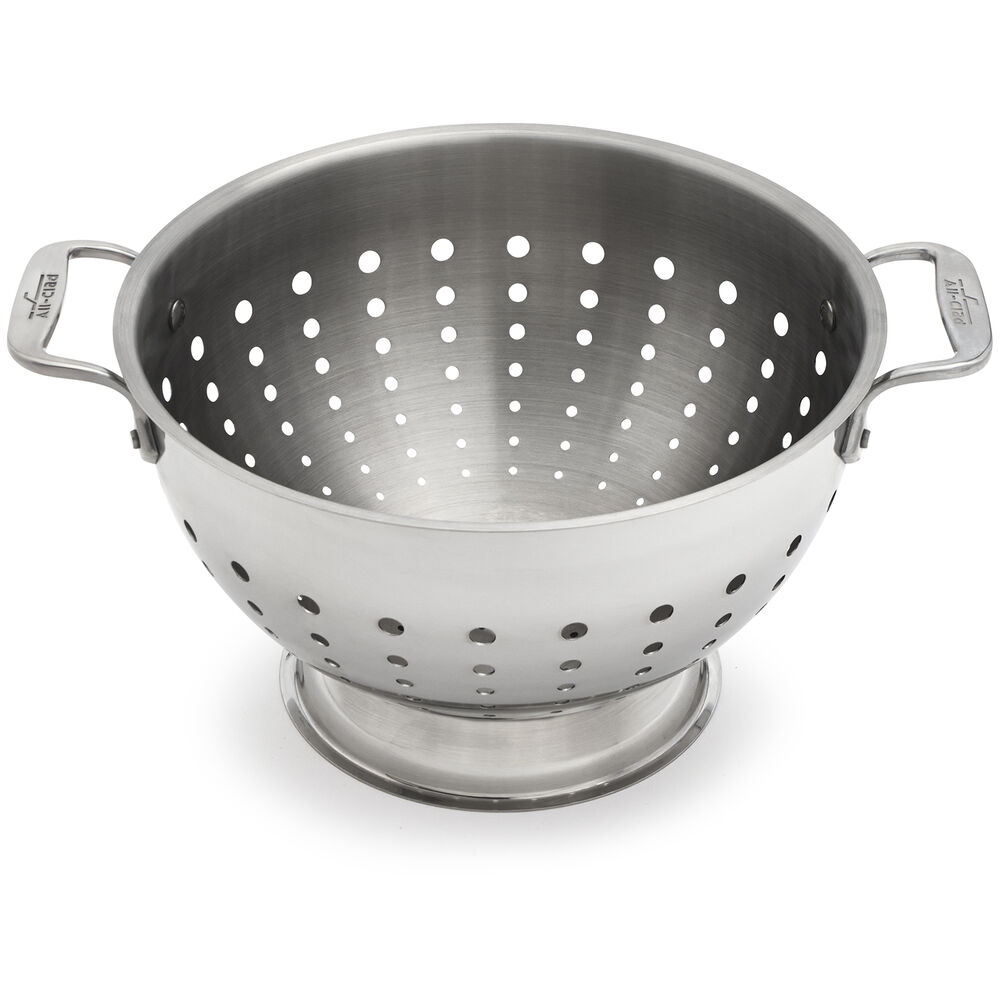
    3. A Colander

    ------------------------------------


    If you'd like some background music to write to, try this Greatest Hits album of Vietnamese saxophonist XUÂN HIẾU


    4/9/20

    National Poetry Month 2020 Activity Pack Day 9


    April seems determined to continue, which means it's still: 
    Every day for National Poetry Month I'll be posting a few fun or interesting poetry links or videos, a Throwback writing prompt from this site, a few poems published in the last couple years and a couple classic poems—things that are poetry-related interesting or fun.

    You will have a change to write poetry even if you've never done it before—the writing prompts aim to demystify the process of writing a poem. This will not take the place of the 2020 Writing Exercise Series, but will be in addition to it, so there will be a bounty of poetry to feast your eyes upon.

    So. Let's begin.

    April 9, 2020
    National Poetry Month 2020 Activity Pack Day 9


    1)  Patrick Stewart is an absolute treasure. He's been reading Shakespearean sonnets every day, here is a video of him reading Sonnet #2, which he indicates is one of his favorites. It's a great way to start, even if I normally push more contemporary verse.


    And since we saw Professor X read a sonnet, why not get good ol' Doctor Who aka David Tennant in to read Shakespeare's most famous sonnet, #18


    2) On about the opposite end of the spectrum of awesome poetry, here is a recording of Saul Williams performing his poem "Ohm" at a 1996 poetry SLAM. I love Saul Williams, and while most of his performances are much more... well, performative—I like the slower pacing here—which is still not slow by any means, but for those not used to fast-talking may have a hard time with some of his other performances. If you enjoy this, definitely google around, he's a super talented artist and we both apparently fell in love with Stephen Wright at like 12, which is wild. I read his first book s√he at least a dozen times.

    And to bounce back around, here is poet Stevie Smith talking briefly about inspiration and reading her free verse poem from the early 70s "Not Waving But Drowning". If you'd like to read more about the poem and poetPoetry Foundation has a nice 'Poem Guide'.


    3) Now go read one, or preferably all of the following three 'recently' published poems:

    "Ghetto Gold" by Carolanne Conerly Griffin winner of Gemini Magazine's 2020 Poetry Open Prize.
    "The Water in the Water" by Johanna Dong in Tinderbox Poetry Journal Volume 6 Number 3. 

    4) Go read all of the following three short poems that were published more than two years ago:


    5) Today's "Buried Poem" game is one of my own devising (and in this case, my own writing). A "Buried Poem" is the opposite of an erasure poem in that you take a short famous poem, and greatly expand the wordcount, thus creating your own original piece. An original piece, which, someone could make an erasure poem of that would reveal that famous poem (ie, no re-arranging or changing the words, only adding). You will want to be adding at very least 3x the original word count, if not much more. (I wrote a 'buried poem' piece but decided I wanted to submit it so I haven't included it here, but I titled it "Our Very First Shared Fig Newton" and it's about a young romance. These pieces can take any unexpected direction so just run with them!)


    6) Now it's time to write your own "Buried Poem". Take the following short Ezra Pound poem and expand it into your own piece which is at least 100 words long, but keep all the words from Pound's poem in their current order, just with other words in between them. You can use "by Ezra Pound" in the piece or you can exclude it. (Hint for the quiz above: I excluded the poet's name which was very telling and would give away the game.)

    In the Station of the Metro
     by Ezra Pound

    The apparition of these faces in the crowd:
    Petals on a wet, black bough.

    -
    (Highlight the block to see the answers to yesterday's Name That Poet game (if you missed it, click here to go back first and see if you can figure the poets out for yourself from the series of more progressively telling clues): Poet A: Sara Teasdale, and Poet B: Percy Bysshe Shelley)


    2020 Writing Exercise Series #99: Between a Fact and an Exact Place 11


    The Notebooking Daily 2020 Writing Series is a daily writing exercises for both prose writers and poets to keep your creative mind stretched and ready to go—fresh for your other writing endeavors. The writing prompts take the impetus—that initial crystal of creation—out of your hands (for the most part) and changes your writing creation into creative problem solving. Instead of being preoccupied with the question "What do I write" you are instead pondering "How do I make this work?" And in the process you are producing new writing.


    These exercises are not meant to be a standard writing session. They are meant to be productive and to keep your brain thinking about using language to solve simple or complex problems. The worst thing you can do is sit there inactive. It's like taking a 5 minute breather in the middle of a spin class—the point is to push, to produce something, however imperfect. If you don't overthink them, you will be able to complete all of the exercises in under 30 minutes.
    #99
    Between a Fact and an Exact Place 11
    For today's writing exercise you will write a piece of poetry or prose which contains the following place (either as the setting, referenced or some aspect of it described) and the following fact in some way (its discovery, used as a metaphor, witnessed etc).


    • Fact: In L. Frank Baum's book The Wonderful Wizard of Oz, Dorothy's adventure in Oz was not a dream. The dream ending was invented for the movie.


    As an additional assignment, should you choose to incorporate it, is as follows: Also include three sentences that have three words containing an /Ä“/ sound (as in "We feel fleeting doom.")
    ------------------------------------


    If you'd like some background music to write to, try minimalist master Brian Eno's album Thursday Afternoon.


    4/8/20

    2020 Writing Exercise Series #98: Beginning & Ending with Catching 10


    The Notebooking Daily 2020 Writing Series is a daily writing exercises for both prose writers and poets to keep your creative mind stretched and ready to go—fresh for your other writing endeavors. The writing prompts take the impetus—that initial crystal of creation—out of your hands (for the most part) and changes your writing creation into creative problem solving. Instead of being preoccupied with the question "What do I write" you are instead pondering "How do I make this work?" And in the process you are producing new writing.

    These exercises are not meant to be a standard writing session. They are meant to be productive and to keep your brain thinking about using language to solve simple or complex problems. The worst thing you can do is sit there inactive. It's like taking a 5 minute breather in the middle of a spin class—the point is to push, to produce something, however imperfect. If you don't overthink them, you will be able to complete all of the exercises in under 30 minutes.
    #98
    Beginning & Ending with Catching 10

    F
    or today's writing exercise you will write a piece of poetry or prose which begins with one image, scenario, line of dialog or place and ends with another, and an optional additional requirement.


    Begin With: An owl (or raptor) swooping down on a mouse.

    End With: Someone standing under a ball about to catch it.

    Extra Credit Requirements: Include in the first two paragraphs the smell of either fresh cut/sanded wood or a book; and somewhere in your piece include the words: "Rambunctious" "Egret" "Mitt" "Egregious" and "Egress".
    ------------------------------------

    If you'd like some unobtrusive background music, try the album "Postcards" by Argentinian ambient group The Kyoto Connection.