

Prompt: Write a piece that includes the following object (central to the piece, not offhandedly mentioned): "A painting of the Moon"
Showing posts with label Object Exercise. Show all posts
Showing posts with label Object Exercise. Show all posts
9/12/18
9/4/14
Notebooking Daily Writing Exercise September 4, 2014
September 4: Graffiti.

Graffiti can mean many things. The first thought is often of gang tags, shoddy throw-ups. Or perhaps artists you've seen portrayed or covered in the media like Banksy (whose piece is pictured above). If you think Twist, Espy or Ewok, you probably already have a dozen stories to tap into and can get those wheels rolling in the back of your brain. Or maybe you're super into archaeology and when you hear graffiti you think of cave drawings. Or you are raising a little boy right now and have scrubbed more than your share of his crayon graffiti off your wallpaper.
I linked to a really cool page called Wall to Wall, from Cave Painting to Graffiti, if you're not super familiar with graffiti check it out. If you become interested, I'd also recommend the book Graffiti LA. It's a great coffee table book with tons of large photos and interesting text, plus a bonus cd.
For today's writing exercise pick a version of graffiti and put yourself next to it. Whether you're the artist/vandal, someone looking at it either with disdain or appreciation, or something else entirely.
A couple questions to consider/decide upon (just write the a, b, c etc and the answer in your notebook):
a) What type of graffiti is it? Cave painting, ancient Egyptian tomb pillager, a subway car with spraypaint pieces, an abandoned building with a very intricate 'piece', did a kid write the f-word on the wall like in Catcher in the Rye? Did a small child get a hold of a marker, crayon, pen, paint can, chocolate cake? Is a rebel partisan sending a message to the dictator or other rebels?
b) Are you cleaning the graffiti up, placing it there, or just viewing it?
c) What do you think of the graffiti. If your first inclination is to dislike it, try to find a way that you might like it. If you enjoy or like the graffiti, bring in the destruction issue sincerely.
d) What is the graffiti portraying or saying? Why did the artist/you feel so strongly about that statement, or is it a passing bit of juvenilia?
e) What's the weather like? Just pick something, even if it's not important to the story at all.
f)

g) What colors are used in the graffiti? What type of pigment? Ochre, spraypaint, crayon, marker, knife/key?
Have fun, write away. If you have trouble deciding what to do, just pick something and go. Don't worry about the finished product, if it's going anywhere or has any arc or plot. Just write a little bit. That's what notenooking is all about. If you have extra time, here are a few more resources for graffiti: the 1983 documentary Style Wars, a huge reserve of artist links at Art Crimes, a PBS video/article about graffiti called ‘The History of American Graffiti:’ From Subway Car to Gallery about a graffiti history book, and here is Norman Mailer's "The Faith of Graffiti" from the May 1974 issue of Esquire thanks to hi-resolution scans by Test Pressing.

Graffiti can mean many things. The first thought is often of gang tags, shoddy throw-ups. Or perhaps artists you've seen portrayed or covered in the media like Banksy (whose piece is pictured above). If you think Twist, Espy or Ewok, you probably already have a dozen stories to tap into and can get those wheels rolling in the back of your brain. Or maybe you're super into archaeology and when you hear graffiti you think of cave drawings. Or you are raising a little boy right now and have scrubbed more than your share of his crayon graffiti off your wallpaper.
I linked to a really cool page called Wall to Wall, from Cave Painting to Graffiti, if you're not super familiar with graffiti check it out. If you become interested, I'd also recommend the book Graffiti LA. It's a great coffee table book with tons of large photos and interesting text, plus a bonus cd.
For today's writing exercise pick a version of graffiti and put yourself next to it. Whether you're the artist/vandal, someone looking at it either with disdain or appreciation, or something else entirely.
A couple questions to consider/decide upon (just write the a, b, c etc and the answer in your notebook):
a) What type of graffiti is it? Cave painting, ancient Egyptian tomb pillager, a subway car with spraypaint pieces, an abandoned building with a very intricate 'piece', did a kid write the f-word on the wall like in Catcher in the Rye? Did a small child get a hold of a marker, crayon, pen, paint can, chocolate cake? Is a rebel partisan sending a message to the dictator or other rebels?
b) Are you cleaning the graffiti up, placing it there, or just viewing it?
c) What do you think of the graffiti. If your first inclination is to dislike it, try to find a way that you might like it. If you enjoy or like the graffiti, bring in the destruction issue sincerely.
d) What is the graffiti portraying or saying? Why did the artist/you feel so strongly about that statement, or is it a passing bit of juvenilia?
e) What's the weather like? Just pick something, even if it's not important to the story at all.
f)
g) What colors are used in the graffiti? What type of pigment? Ochre, spraypaint, crayon, marker, knife/key?
Have fun, write away. If you have trouble deciding what to do, just pick something and go. Don't worry about the finished product, if it's going anywhere or has any arc or plot. Just write a little bit. That's what notenooking is all about. If you have extra time, here are a few more resources for graffiti: the 1983 documentary Style Wars, a huge reserve of artist links at Art Crimes, a PBS video/article about graffiti called ‘The History of American Graffiti:’ From Subway Car to Gallery about a graffiti history book, and here is Norman Mailer's "The Faith of Graffiti" from the May 1974 issue of Esquire thanks to hi-resolution scans by Test Pressing.
8/25/14
Daily Notebooking Writing Exercise August 25, 2014
August 25: Cereal day!

Cereal means many things to many people. To some, it means breakfast, to some it means a type of grass that produces both germ and bran. To some it's Frosted Flakes with a side of Tale Spin (I can pray to that altar), to some it's... whatever. If you've been born in the last 115 years or so, which I'd wager most people have been, there're corn flakes at very least. And while corn flakes may have been invented to disuade masturbation, they're also a way that humans have been beginning their days for a century, and other 'cereals' for longer. Here are a couple ideas for ways to go with this prompt:
1) Nostalgia. There are dozens of ways to attack this. Whether rebelling against modern cereals (Fruity Cheerios, I'm looking at you) and embracing the cereals of your own experience (Here's the wiki page about Breakfast Cereals.)
2) History. Look at different sources and write about the history of cereal.
3) To be honest, while researching this prompt I recalled something about a guy who modified wheat to let it grow in more arid climates and (and saved a billion lives)... I got lost in the rabbit's hole of research. I think the first prompt should apply to most people. Even if it isn't your normal topic/level of discourse, try it. Put on your popular writing hat. I read recently in a review that Nick Lantz was like Billy Collins if he took his job more seriously. I don't know about all of that, I think moreso that Nick Lantz is following in Collins' path in the same way that Neil DeGrasse Tyson is following in the path of Carl Sagan. They're bringing the fine art to the public in a way that is both understandable and accessible. You've eaten a cereal out of a box, and you may've even watched cartoons afterwards. Meditate on that. It's not a full piece, but a vignette to maybe harvest from later. Don't harness yourself to the idea of needing a finished piece to even begin writing. This is to write without worry of purpose. This is to write. Go. Go.

Cereal means many things to many people. To some, it means breakfast, to some it means a type of grass that produces both germ and bran. To some it's Frosted Flakes with a side of Tale Spin (I can pray to that altar), to some it's... whatever. If you've been born in the last 115 years or so, which I'd wager most people have been, there're corn flakes at very least. And while corn flakes may have been invented to disuade masturbation, they're also a way that humans have been beginning their days for a century, and other 'cereals' for longer. Here are a couple ideas for ways to go with this prompt:
1) Nostalgia. There are dozens of ways to attack this. Whether rebelling against modern cereals (Fruity Cheerios, I'm looking at you) and embracing the cereals of your own experience (Here's the wiki page about Breakfast Cereals.)
2) History. Look at different sources and write about the history of cereal.
3) To be honest, while researching this prompt I recalled something about a guy who modified wheat to let it grow in more arid climates and (and saved a billion lives)... I got lost in the rabbit's hole of research. I think the first prompt should apply to most people. Even if it isn't your normal topic/level of discourse, try it. Put on your popular writing hat. I read recently in a review that Nick Lantz was like Billy Collins if he took his job more seriously. I don't know about all of that, I think moreso that Nick Lantz is following in Collins' path in the same way that Neil DeGrasse Tyson is following in the path of Carl Sagan. They're bringing the fine art to the public in a way that is both understandable and accessible. You've eaten a cereal out of a box, and you may've even watched cartoons afterwards. Meditate on that. It's not a full piece, but a vignette to maybe harvest from later. Don't harness yourself to the idea of needing a finished piece to even begin writing. This is to write without worry of purpose. This is to write. Go. Go.
8/8/14
Notebooking Daily Writing Exercise August 8, 2014
August 8: Killing the Pain.

Today we'll deal with the general theme of painkillers. This can be taken to mean painkillers as medicine, or as a metaphor for something which either end, or distracts from something physically or emotionally painful.
For instance, in the awesome Netflix Original show House of Cards Congresswoman Sharp uses the pain of getting tattoos to take her mind off the emotional pain that she bears because of her combat service.

So, research a little bit, start fleshing out an idea in your head whether meditating on painkillers, specific instances in your life or imagined experiences, a period piece dealing with historic painkillers like laudanum or trepanning, or any other iteration that might possibly come to mind.
If you need more direction for this writing exercise here are three possibilities:
1) You've just been stabbed. Whether in a robbery, by a needle left in the carpet, by a sibling rounding the kitchen corner way too quickly while brandishing a barbecue encrusted fork, whatever. You've been stabbed, and it hurts. A lot. Go.
2) A pain in your leg causes you to take perhaps a few too many pain pills. As you're about to drift off to sleep you notice that you can't feel your leg at all.
3) It is night. You're in pain. You're panicked. A neon sign is blinking. Tell your story in flashes. Short bursts of words. Quick sentences, an air of mystery. Go.
And here's Johnny Cash's version of Nine Inch Nail's "Hurt" just because.

Today we'll deal with the general theme of painkillers. This can be taken to mean painkillers as medicine, or as a metaphor for something which either end, or distracts from something physically or emotionally painful.
For instance, in the awesome Netflix Original show House of Cards Congresswoman Sharp uses the pain of getting tattoos to take her mind off the emotional pain that she bears because of her combat service.

So, research a little bit, start fleshing out an idea in your head whether meditating on painkillers, specific instances in your life or imagined experiences, a period piece dealing with historic painkillers like laudanum or trepanning, or any other iteration that might possibly come to mind.
If you need more direction for this writing exercise here are three possibilities:
1) You've just been stabbed. Whether in a robbery, by a needle left in the carpet, by a sibling rounding the kitchen corner way too quickly while brandishing a barbecue encrusted fork, whatever. You've been stabbed, and it hurts. A lot. Go.
2) A pain in your leg causes you to take perhaps a few too many pain pills. As you're about to drift off to sleep you notice that you can't feel your leg at all.
3) It is night. You're in pain. You're panicked. A neon sign is blinking. Tell your story in flashes. Short bursts of words. Quick sentences, an air of mystery. Go.
And here's Johnny Cash's version of Nine Inch Nail's "Hurt" just because.
8/2/14
Notebooking Daily Exercise August 2, 2014
August 2: Plums!

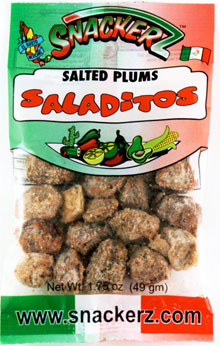
Today we'll focus on the fruit that is Plum. It's said to be one of the first foods cultivated by humans. Even two thousand years ago there were already 300 different varieties in Europe alone. It can be fermented into wine, eaten fresh, baked into pastries, dried and salted to make the snack saladitos

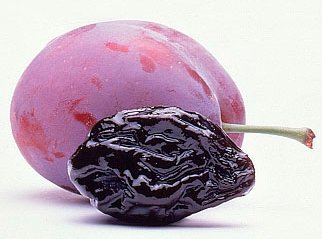
or even just dried to make prunes.

Do at least ten to twenty minutes of reading about plums. Follow links, research cultivation, the ways they're used, their history, everything you can. Take notes of interesting little bits in your notebook.
Once you're done with your research, look at other things that plum is related to (places, people--don't forget Professor Plum!). Notably plum can refer to a color (#8E4585) that was even picked as Sherwin-Williams' color of the year for 2014, whatever that means. But hey, maybe your rabbit hole of research will lead to a story about someone having a mental breakdown while deciding on paint colors, or maybe mine will now.
Now that you have notes, pick two or three of the most interesting bits and find a way those can be connected. Whether you decide to write a haiku about the swaying shadows of plums along the Caspian Sea in antiquity, an epic poem about a plum obsessed conqueror, a three act play about a plum-whino/philosopher contemplating life in the dark labyrinth that was ancient Rome at night, a toddler painting the walls of his playroom with Gerber plum baby food, whatever strikes you.
Just be sure to write it right away. Don't worry that it won't be good, it may not be, but it may smuggle an awesome paragraph out of you to be utilized later in a more thought-through piece. Remember, this notebook is to get you writing, not creating masterpieces in one go.
If you need added constraint, because I know some of you masochists out there do, try writing it in blank verse, or just with syllabic lines of ten (ten syllables per line). If you're writing it in prose, include at least four sentences that are just two words long (subject/verb).

Today we'll focus on the fruit that is Plum. It's said to be one of the first foods cultivated by humans. Even two thousand years ago there were already 300 different varieties in Europe alone. It can be fermented into wine, eaten fresh, baked into pastries, dried and salted to make the snack saladitos
or even just dried to make prunes.
Do at least ten to twenty minutes of reading about plums. Follow links, research cultivation, the ways they're used, their history, everything you can. Take notes of interesting little bits in your notebook.
Once you're done with your research, look at other things that plum is related to (places, people--don't forget Professor Plum!). Notably plum can refer to a color (#8E4585) that was even picked as Sherwin-Williams' color of the year for 2014, whatever that means. But hey, maybe your rabbit hole of research will lead to a story about someone having a mental breakdown while deciding on paint colors, or maybe mine will now.
Now that you have notes, pick two or three of the most interesting bits and find a way those can be connected. Whether you decide to write a haiku about the swaying shadows of plums along the Caspian Sea in antiquity, an epic poem about a plum obsessed conqueror, a three act play about a plum-whino/philosopher contemplating life in the dark labyrinth that was ancient Rome at night, a toddler painting the walls of his playroom with Gerber plum baby food, whatever strikes you.
Just be sure to write it right away. Don't worry that it won't be good, it may not be, but it may smuggle an awesome paragraph out of you to be utilized later in a more thought-through piece. Remember, this notebook is to get you writing, not creating masterpieces in one go.
If you need added constraint, because I know some of you masochists out there do, try writing it in blank verse, or just with syllabic lines of ten (ten syllables per line). If you're writing it in prose, include at least four sentences that are just two words long (subject/verb).


