Showing posts with label Ekphrastic exercise. Show all posts

7/15/22

2022 Writing Exercise Series #176: Ekphrastic Excellence 10

The 2022 Writing Series is a series of daily writing exercises for both prose writers and poets to spark their creative mind and to spur production of new pieces. The writing prompts take the impetus—that initial crystal of creation—out of your hands (for the most part) and changes your writing creation into creative problem solving. Instead of being preoccupied with the question "What do I write about" you are instead pondering "How do I make this work?" And in the process you are producing new writing.

This is not a standard writing session. This is pure production—to keep your brain thinking about using language to solve simple or complex problems. The worst thing you can do is sit there inactive—the point is to push, to produce something, however imperfect. If you don't overthink it, you will be able to complete all of the series' exercises in under 30 minutes. 

The Timer Method

If you're going with the timer method (which is certainly not required) I recommend setting four timers (these markers are if you're doing a 30 minute session): The First Timer for 5 minutes for a pre-writing reminder, if you do any planning or thinking on how those things can fit together or how to structure what you're doing, or to revisit your writer's notebook to remind yourself of anything you might have noted to write about 'in the future'. But mostly, to remind you not to overthink, not to delay the actual writing process. You should think at least a little about what the point of the piece will be (more in the third timer section) The Second Timer for 15 minutes which is the main writing time. Remember, don't overthink during this section. You're knocking out the piece. When this timer goes off it's not the end, but a signal that you'll be trying to wrap it up soon. The Third Timer for 5 minutes which is time to wrap up what you're writing. This is where you're making sure that you're tucking in any 'loose narrative threads' and getting to your conclusions. Remember, pieces should have some takeaway or 'point'. Some 'why'—a thing that the reader can point to if they're asking themselves "why did I read this?". The Fourth Timer for 5 minutes which is time for editing, for going back over the piece and giving it a 'once over' for typos. I highly suggest reading it aloud once at the beginning of the five minutes (or prior to starting the last timer). Then you'll use the time to fix things early on that you later changed, and to sprinkle in 'crumbs' which foreshadow or work well with later metaphors so that the piece feels more united.  

#176
Ekphrastic Excellence 10

For today, we're providing one awesome image for you to be inspired by. Find a creative way to respond/react/interpret the image—be inspired, inspire your reader.


-----
How will you translate this image into writing? This is more 'minimal' in its information, so is that the night sky with something orange/red/yellow in it? Is it an explosion? Is it actually water, and a reflection, or a flashy fish or a sunken ship. Is it more metaphorical? There are dozens of ways you can go with this piece, make it your own.

You got this!
-----

If you'd like chill lofi background writing music, try this "3 AM Coding Session" lofi playlist.

6/4/22

2022 Writing Exercise Series #150: Ekphrastic Excellence 9

The 2022 Writing Series is a series of daily writing exercises for both prose writers and poets to spark their creative mind and to spur production of new pieces. The writing prompts take the impetus—that initial crystal of creation—out of your hands (for the most part) and changes your writing creation into creative problem solving. Instead of being preoccupied with the question "What do I write about" you are instead pondering "How do I make this work?" And in the process you are producing new writing.

This is not a standard writing session. This is pure production—to keep your brain thinking about using language to solve simple or complex problems. The worst thing you can do is sit there inactive—the point is to push, to produce something, however imperfect. If you don't overthink it, you will be able to complete all of the series' exercises in under 30 minutes. 

The Timer Method

If you're going with the timer method (which is certainly not required) I recommend setting four timers (these markers are if you're doing a 30 minute session): The First Timer for 5 minutes for a pre-writing reminder, if you do any planning or thinking on how those things can fit together or how to structure what you're doing, or to revisit your writer's notebook to remind yourself of anything you might have noted to write about 'in the future'. But mostly, to remind you not to overthink, not to delay the actual writing process. You should think at least a little about what the point of the piece will be (more in the third timer section) The Second Timer for 15 minutes which is the main writing time. Remember, don't overthink during this section. You're knocking out the piece. When this timer goes off it's not the end, but a signal that you'll be trying to wrap it up soon. The Third Timer for 5 minutes which is time to wrap up what you're writing. This is where you're making sure that you're tucking in any 'loose narrative threads' and getting to your conclusions. Remember, pieces should have some takeaway or 'point'. Some 'why'—a thing that the reader can point to if they're asking themselves "why did I read this?". The Fourth Timer for 5 minutes which is time for editing, for going back over the piece and giving it a 'once over' for typos. I highly suggest reading it aloud once at the beginning of the five minutes (or prior to starting the last timer). Then you'll use the time to fix things early on that you later changed, and to sprinkle in 'crumbs' which foreshadow or work well with later metaphors so that the piece feels more united.  

#150
Ekphrastic Excellence 9

For today, we're providing one awesome image for you to be inspired by. Find a creative way to respond/react/interpret the image—be inspired, inspire your reader.


-----
How will you translate this image into writing? The narrative of the painting's subject is pretty interesting and exciting. Definitely lots to inspire a piece there, or you can go strictly from what you see here, the friar and the man wrestling over a gun—why does he have this conflict in the first place? What led to the scene, and what follows it? Hint, Goya has more than one painting of this scene. There are dozens of ways you can go with this piece, make it your own.

You got this!
-----

If you'd like chill lofi background writing music, try this "5 AM in Tokyo" lofi playlist.

5/16/22

2022 Writing Exercise Series #137: Ekphrastic Excellence 8

The 2022 Writing Series is a series of daily writing exercises for both prose writers and poets to spark their creative mind and to spur production of new pieces. The writing prompts take the impetus—that initial crystal of creation—out of your hands (for the most part) and changes your writing creation into creative problem solving. Instead of being preoccupied with the question "What do I write about" you are instead pondering "How do I make this work?" And in the process you are producing new writing.

This is not a standard writing session. This is pure production—to keep your brain thinking about using language to solve simple or complex problems. The worst thing you can do is sit there inactive—the point is to push, to produce something, however imperfect. If you don't overthink it, you will be able to complete all of the series' exercises in under 30 minutes. 

The Timer Method

If you're going with the timer method (which is certainly not required) I recommend setting four timers (these markers are if you're doing a 30 minute session): The First Timer for 5 minutes for a pre-writing reminder, if you do any planning or thinking on how those things can fit together or how to structure what you're doing, or to revisit your writer's notebook to remind yourself of anything you might have noted to write about 'in the future'. But mostly, to remind you not to overthink, not to delay the actual writing process. You should think at least a little about what the point of the piece will be (more in the third timer section) The Second Timer for 15 minutes which is the main writing time. Remember, don't overthink during this section. You're knocking out the piece. When this timer goes off it's not the end, but a signal that you'll be trying to wrap it up soon. The Third Timer for 5 minutes which is time to wrap up what you're writing. This is where you're making sure that you're tucking in any 'loose narrative threads' and getting to your conclusions. Remember, pieces should have some takeaway or 'point'. Some 'why'—a thing that the reader can point to if they're asking themselves "why did I read this?". The Fourth Timer for 5 minutes which is time for editing, for going back over the piece and giving it a 'once over' for typos. I highly suggest reading it aloud once at the beginning of the five minutes (or prior to starting the last timer). Then you'll use the time to fix things early on that you later changed, and to sprinkle in 'crumbs' which foreshadow or work well with later metaphors so that the piece feels more united.  

#137
Ekphrastic Excellence 8

For today, we're providing one awesome image for you to be inspired by. Find a creative way to respond/react/interpret the image—be inspired, inspire your reader.

Image: "Portrait of Emmanuel Rio" (1866) (formerly known as "a gardener and horn player") by Austrian artist Albert Schindler 


-----
How will you translate this image into writing? The narrative of the painting's subject is pretty interesting and sad. Definitely lots to inspire a piece there, or you can go strictly from what you see here, the young person with a french horn sitting by a window with beautiful scenery, but they're staring forward, what has their attention there? There are dozens of ways you can go with this piece, make it your own.

You got this!
-----

If you'd like chill lofi background writing music, try this "Slowly Drifting" lofi playlist from the awesome Dreamhop Music.

5/4/22

2022 Writing Exercise Series #125: Ekphrastic Excellence 7

The 2022 Writing Series is a series of daily writing exercises for both prose writers and poets to spark their creative mind and to spur production of new pieces. The writing prompts take the impetus—that initial crystal of creation—out of your hands (for the most part) and changes your writing creation into creative problem solving. Instead of being preoccupied with the question "What do I write about" you are instead pondering "How do I make this work?" And in the process you are producing new writing.

This is not a standard writing session. This is pure production—to keep your brain thinking about using language to solve simple or complex problems. The worst thing you can do is sit there inactive—the point is to push, to produce something, however imperfect. If you don't overthink it, you will be able to complete all of the series' exercises in under 30 minutes. 

The Timer Method

If you're going with the timer method (which is certainly not required) I recommend setting four timers (these markers are if you're doing a 30 minute session): The First Timer for 5 minutes for a pre-writing reminder, if you do any planning or thinking on how those things can fit together or how to structure what you're doing, or to revisit your writer's notebook to remind yourself of anything you might have noted to write about 'in the future'. But mostly, to remind you not to overthink, not to delay the actual writing process. You should think at least a little about what the point of the piece will be (more in the third timer section) The Second Timer for 15 minutes which is the main writing time. Remember, don't overthink during this section. You're knocking out the piece. When this timer goes off it's not the end, but a signal that you'll be trying to wrap it up soon. The Third Timer for 5 minutes which is time to wrap up what you're writing. This is where you're making sure that you're tucking in any 'loose narrative threads' and getting to your conclusions. Remember, pieces should have some takeaway or 'point'. Some 'why'—a thing that the reader can point to if they're asking themselves "why did I read this?". The Fourth Timer for 5 minutes which is time for editing, for going back over the piece and giving it a 'once over' for typos. I highly suggest reading it aloud once at the beginning of the five minutes (or prior to starting the last timer). Then you'll use the time to fix things early on that you later changed, and to sprinkle in 'crumbs' which foreshadow or work well with later metaphors so that the piece feels more united.  

#125
Ekphrastic Excellence 7

For today, we're providing one awesome image for you to be inspired by. Find a creative way to respond/react/interpret the image—be inspired, inspire your reader.

Image: "In the Auvergne" (1866) by French artist Jean-François Millet 


-----
How will you translate this image into writing? What's that person on the hill holding? Are those sheep or goats and is that a donkey on the left? What's happening on the other side of that hill? What does that person not know about what's happening right then or about to happen? Or maybe you're writing about characters looking at a painting, or who catch a glimpse of this scene on a tv they're walking by and the idyllic scene really resonates with them as they go about their day whether that's working at a gas station or committing armed robbery. There are dozens of ways you can go with this piece, make it your own.

You got this!
-----

If you'd like chill lofi background writing music, try this "cherry blossom." lofi playlist from the awesome The Jazz Hop Café channel.

4/22/22

2022 Writing Exercise Series #113: Ekphrastic Excellence 6

The 2022 Writing Series is a series of daily writing exercises for both prose writers and poets to spark their creative mind and to spur production of new pieces. The writing prompts take the impetus—that initial crystal of creation—out of your hands (for the most part) and changes your writing creation into creative problem solving. Instead of being preoccupied with the question "What do I write about" you are instead pondering "How do I make this work?" And in the process you are producing new writing.

This is not a standard writing session. This is pure production—to keep your brain thinking about using language to solve simple or complex problems. The worst thing you can do is sit there inactive—the point is to push, to produce something, however imperfect. If you don't overthink it, you will be able to complete all of the series' exercises in under 30 minutes. 

The Timer Method

If you're going with the timer method (which is certainly not required) I recommend setting four timers (these markers are if you're doing a 30 minute session): The First Timer for 5 minutes for a pre-writing reminder, if you do any planning or thinking on how those things can fit together or how to structure what you're doing, or to revisit your writer's notebook to remind yourself of anything you might have noted to write about 'in the future'. But mostly, to remind you not to overthink, not to delay the actual writing process. You should think at least a little about what the point of the piece will be (more in the third timer section) The Second Timer for 15 minutes which is the main writing time. Remember, don't overthink during this section. You're knocking out the piece. When this timer goes off it's not the end, but a signal that you'll be trying to wrap it up soon. The Third Timer for 5 minutes which is time to wrap up what you're writing. This is where you're making sure that you're tucking in any 'loose narrative threads' and getting to your conclusions. Remember, pieces should have some takeaway or 'point'. Some 'why'—a thing that the reader can point to if they're asking themselves "why did I read this?". The Fourth Timer for 5 minutes which is time for editing, for going back over the piece and giving it a 'once over' for typos. I highly suggest reading it aloud once at the beginning of the five minutes (or prior to starting the last timer). Then you'll use the time to fix things early on that you later changed, and to sprinkle in 'crumbs' which foreshadow or work well with later metaphors so that the piece feels more united.  

#113
Ekphrastic Excellence 6

For today, we're providing one awesome image for you to be inspired by. Find a creative way to respond/react/interpret the image—be inspired, inspire your reader.

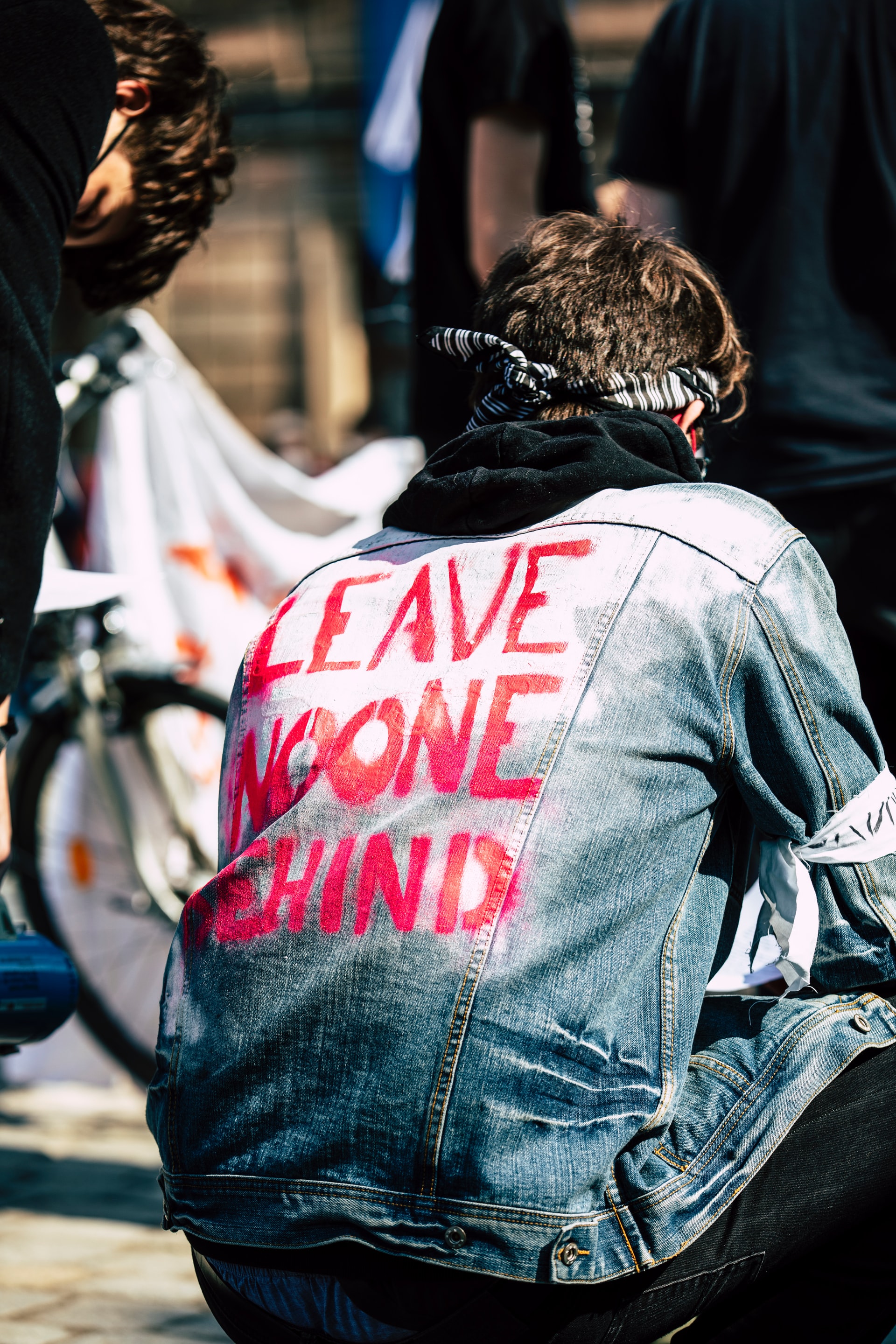
Image: "LEAVE NO ONE BEHIND // Global climate change strike - 25. March 2022" by Markus Spiske.


-----
How will you translate this image into writing? While the image was taken at a climate change rally, the phrase "leave no one behind" can apply to a whole range of topics. A spray-painted jean jacket could be set in an enormous range of timelines, today or the 1950s, it could be a hippie or a pnk rocker, an environmentalist or an anarchist. What's the situation with the sitting person? Are they resting or being detained? There are dozens of ways you can go with this piece, make it your own.

You got this!
-----

If you'd like chill lofi background writing music, try this "when school ends." lofi playlist from the awesome The Jazz Hop Café channel.

4/5/22

2022 Writing Exercise Series #96: Ekphrastic Excellence 5

The 2022 Writing Series is a series of daily writing exercises for both prose writers and poets to spark their creative mind and to spur production of new pieces. The writing prompts take the impetus—that initial crystal of creation—out of your hands (for the most part) and changes your writing creation into creative problem solving. Instead of being preoccupied with the question "What do I write about" you are instead pondering "How do I make this work?" And in the process you are producing new writing.

This is not a standard writing session. This is pure production—to keep your brain thinking about using language to solve simple or complex problems. The worst thing you can do is sit there inactive—the point is to push, to produce something, however imperfect. If you don't overthink it, you will be able to complete all of the series' exercises in under 30 minutes. 

The Timer Method

If you're going with the timer method (which is certainly not required) I recommend setting four timers (these markers are if you're doing a 30 minute session): The First Timer for 5 minutes for a pre-writing reminder, if you do any planning or thinking on how those things can fit together or how to structure what you're doing, or to revisit your writer's notebook to remind yourself of anything you might have noted to write about 'in the future'. But mostly, to remind you not to overthink, not to delay the actual writing process. You should think at least a little about what the point of the piece will be (more in the third timer section) The Second Timer for 15 minutes which is the main writing time. Remember, don't overthink during this section. You're knocking out the piece. When this timer goes off it's not the end, but a signal that you'll be trying to wrap it up soon. The Third Timer for 5 minutes which is time to wrap up what you're writing. This is where you're making sure that you're tucking in any 'loose narrative threads' and getting to your conclusions. Remember, pieces should have some takeaway or 'point'. Some 'why'—a thing that the reader can point to if they're asking themselves "why did I read this?". The Fourth Timer for 5 minutes which is time for editing, for going back over the piece and giving it a 'once over' for typos. I highly suggest reading it aloud once at the beginning of the five minutes (or prior to starting the last timer). Then you'll use the time to fix things early on that you later changed, and to sprinkle in 'crumbs' which foreshadow or work well with later metaphors so that the piece feels more united.  

#96
Ekphrastic Excellence 5

For today, we're providing one awesome image for you to be inspired by. Find a creative way to respond/react/interpret the image—be inspired, inspire your reader.

Image: "Poor Room—There Is No Time, No End, No Today, No Yesterday, No Tomorrow, Only the Forever, and Forever, and Forever without End" (1942–43, 1948–55, 1957–63) by Ivan Albright.


-----
How will you translate this image into writing? First, this artwork is intricate and I highly recommend that you  go to the Institute of Art of Chicago's site and zoooooom. Check out all those details. Do you go into detail on a little section or speak of the experience of this piece as a whole? Do you show us the artist or make us consider who the artist might be? Are you in this world? Is that your hand or the hand of your character with the rosaries? What's just happened? There are dozens of ways you can go with this piece, make it your own.

You got this!
-----

If you'd like chill lofi background writing music, try this "midnight city" lofi playlist from the awesome The Jazz Hop Café channel.

3/24/22

2022 Writing Exercise Series #84: Ekphrastic Excellence 4

The 2022 Writing Series is a series of daily writing exercises for both prose writers and poets to spark their creative mind and to spur production of new pieces. The writing prompts take the impetus—that initial crystal of creation—out of your hands (for the most part) and changes your writing creation into creative problem solving. Instead of being preoccupied with the question "What do I write about" you are instead pondering "How do I make this work?" And in the process you are producing new writing.

This is not a standard writing session. This is pure production—to keep your brain thinking about using language to solve simple or complex problems. The worst thing you can do is sit there inactive—the point is to push, to produce something, however imperfect. If you don't overthink it, you will be able to complete all of the series' exercises in under 30 minutes. 

The Timer Method

If you're going with the timer method (which is certainly not required) I recommend setting four timers (these markers are if you're doing a 30 minute session): The First Timer for 5 minutes for a pre-writing reminder, if you do any planning or thinking on how those things can fit together or how to structure what you're doing, or to revisit your writer's notebook to remind yourself of anything you might have noted to write about 'in the future'. But mostly, to remind you not to overthink, not to delay the actual writing process. You should think at least a little about what the point of the piece will be (more in the third timer section) The Second Timer for 15 minutes which is the main writing time. Remember, don't overthink during this section. You're knocking out the piece. When this timer goes off it's not the end, but a signal that you'll be trying to wrap it up soon. The Third Timer for 5 minutes which is time to wrap up what you're writing. This is where you're making sure that you're tucking in any 'loose narrative threads' and getting to your conclusions. Remember, pieces should have some takeaway or 'point'. Some 'why'—a thing that the reader can point to if they're asking themselves "why did I read this?". The Fourth Timer for 5 minutes which is time for editing, for going back over the piece and giving it a 'once over' for typos. I highly suggest reading it aloud once at the beginning of the five minutes (or prior to starting the last timer). Then you'll use the time to fix things early on that you later changed, and to sprinkle in 'crumbs' which foreshadow or work well with later metaphors so that the piece feels more united.  

#84
Ekphrastic Excellence 4

For today, we're providing one awesome image for you to be inspired by. Find a creative way to respond/react/interpret the image—be inspired, inspire your reader.

Image: "The Dog and the Parrot" (1899) by Henri Toulouse-LaTrec.


-----
How will you translate this image into writing? Are you writing from the perspective of someone seeing this scene of dog and parrot, from one of the animals, from the owner of both pets, from the pet store owner, or some other perspective entirely? Can the animals communicate in any fashion? Where is this happening? How old is the parrot? Is that a model train or a real train in the background? There are dozens of ways you can go with this piece, make it your own.

You got this!
-----

If you'd like chill lofi background writing music, try this "Friends of the Forest" lofi playlist.

3/16/22

2022 Writing Exercise Series #76: Ekphrastic Fantastic 4

The 2022 Writing Series is a series of daily writing exercises for both prose writers and poets to spark their creative mind and to spur production of new pieces. The writing prompts take the impetus—that initial crystal of creation—out of your hands (for the most part) and changes your writing creation into creative problem solving. Instead of being preoccupied with the question "What do I write about" you are instead pondering "How do I make this work?" And in the process you are producing new writing.

This is not a standard writing session. This is pure production—to keep your brain thinking about using language to solve simple or complex problems. The worst thing you can do is sit there inactive—the point is to push, to produce something, however imperfect. If you don't overthink it, you will be able to complete all of the series' exercises in under 30 minutes. 

The Timer Method

If you're going with the timer method (which is certainly not required) I recommend setting four timers (these markers are if you're doing a 30 minute session): The First Timer for 5 minutes for a pre-writing reminder, if you do any planning or thinking on how those things can fit together or how to structure what you're doing, or to revisit your writer's notebook to remind yourself of anything you might have noted to write about 'in the future'. But mostly, to remind you not to overthink, not to delay the actual writing process. You should think at least a little about what the point of the piece will be (more in the third timer section) The Second Timer for 15 minutes which is the main writing time. Remember, don't overthink during this section. You're knocking out the piece. When this timer goes off it's not the end, but a signal that you'll be trying to wrap it up soon. The Third Timer for 5 minutes which is time to wrap up what you're writing. This is where you're making sure that you're tucking in any 'loose narrative threads' and getting to your conclusions. Remember, pieces should have some takeaway or 'point'. Some 'why'—a thing that the reader can point to if they're asking themselves "why did I read this?". The Fourth Timer for 5 minutes which is time for editing, for going back over the piece and giving it a 'once over' for typos. I highly suggest reading it aloud once at the beginning of the five minutes (or prior to starting the last timer). Then you'll use the time to fix things early on that you later changed, and to sprinkle in 'crumbs' which foreshadow or work well with later metaphors so that the piece feels more united.  

#76
Ekphrastic Fantastic 4

For today, we're pairing images for you to respond to. The two images will be contrasting and it will be up to you how they can interact, how your writing can make the two pieces of art meet. 

Or, just pick one of the images and run with it if you'd rather. I'm not here to tell you exactly what to do, just to help you get the ball rolling. But if it was me, I would look for commonalities or how one image could be an imagination or memory or media within the other image, or if they exist in the same 'world', how you can get from one point in space and time to the other. But you do you boo-boo.

Image 1: Gray and Silver: Old Battersea Reach (1863) by American Painter James McNeill Whistler.


Image 2:  Guardian Spirit of the Waters (1878) by French Smybolist Odilon Redon


-----
How do these two artworks play off of each other in your mind? Is the second image a being watching that first scene through the 'veil' of life and death? Is the first one much after the second, or do the two paintings 'interact'? Is there a shipwreck, a storm, an alien or 'demigod' abduction? Something totally different? How might they be connected? Are they completely unrelated? You decide. Don't overthink it, take a couple minutes perhaps, but dive in and make this happen! And always remember that if you're onto gold—run with it.

You got this!
-----

If you'd like some 80s ambient music, try this lofi mix "Deep within the Forest 3". 

3/6/22

2022 Writing Exercise Series #66: Ekphrastic Excellence 3

The 2022 Writing Series is a series of daily writing exercises for both prose writers and poets to spark their creative mind and to spur production of new pieces. The writing prompts take the impetus—that initial crystal of creation—out of your hands (for the most part) and changes your writing creation into creative problem solving. Instead of being preoccupied with the question "What do I write about" you are instead pondering "How do I make this work?" And in the process you are producing new writing.

This is not a standard writing session. This is pure production—to keep your brain thinking about using language to solve simple or complex problems. The worst thing you can do is sit there inactive—the point is to push, to produce something, however imperfect. If you don't overthink it, you will be able to complete all of the series' exercises in under 30 minutes. 

The Timer Method

If you're going with the timer method (which is certainly not required) I recommend setting four timers (these markers are if you're doing a 30 minute session): The First Timer for 5 minutes for a pre-writing reminder, if you do any planning or thinking on how those things can fit together or how to structure what you're doing, or to revisit your writer's notebook to remind yourself of anything you might have noted to write about 'in the future'. But mostly, to remind you not to overthink, not to delay the actual writing process. You should think at least a little about what the point of the piece will be (more in the third timer section) The Second Timer for 15 minutes which is the main writing time. Remember, don't overthink during this section. You're knocking out the piece. When this timer goes off it's not the end, but a signal that you'll be trying to wrap it up soon. The Third Timer for 5 minutes which is time to wrap up what you're writing. This is where you're making sure that you're tucking in any 'loose narrative threads' and getting to your conclusions. Remember, pieces should have some takeaway or 'point'. Some 'why'—a thing that the reader can point to if they're asking themselves "why did I read this?". The Fourth Timer for 5 minutes which is time for editing, for going back over the piece and giving it a 'once over' for typos. I highly suggest reading it aloud once at the beginning of the five minutes (or prior to starting the last timer). Then you'll use the time to fix things early on that you later changed, and to sprinkle in 'crumbs' which foreshadow or work well with later metaphors so that the piece feels more united.  

#66
Ekphrastic Excellence 3

For today, we're providing one awesome image for you to be inspired by. Find a creative way to respond/react/interpret the image—be inspired, inspire your reader.

Image: Photo by Farel Yesha taken in Bandung City, West Java, Indonesia.


-----
How will you translate this image into writing? Are you writing from the perspective of the vendor, or of someone observing him? Are you flashing back to a memory of the vendor in Indonesia (or is it somewhere else?), is it another person's memory of this man ready with his wares throughout the rainy weather. Is this something witnessed from a random person passing by, or someone who lives or works nearby and sees the man all the time? Is there something ominous going on that we're not seeing? Something dangerous? what does he have in that cart and how does it smell? There are dozens of ways you can go with this piece, make it your own.

You got this!
-----

If you'd like chill lofi background writing music, try this "The Call of the Mountains" lofi playlist from friend of the blog Dreamhop Music

2/24/22

2022 Writing Exercise Series #56: Ekphrastic Fantastic 3

The 2022 Writing Series is a series of daily writing exercises for both prose writers and poets to spark their creative mind and to spur production of new pieces. The writing prompts take the impetus—that initial crystal of creation—out of your hands (for the most part) and changes your writing creation into creative problem solving. Instead of being preoccupied with the question "What do I write about" you are instead pondering "How do I make this work?" And in the process you are producing new writing.

This is not a standard writing session. This is pure production—to keep your brain thinking about using language to solve simple or complex problems. The worst thing you can do is sit there inactive—the point is to push, to produce something, however imperfect. If you don't overthink it, you will be able to complete all of the series' exercises in under 30 minutes. 

The Timer Method

If you're going with the timer method (which is certainly not required) I recommend setting four timers (these markers are if you're doing a 30 minute session): The First Timer for 5 minutes for a pre-writing reminder, if you do any planning or thinking on how those things can fit together or how to structure what you're doing, or to revisit your writer's notebook to remind yourself of anything you might have noted to write about 'in the future'. But mostly, to remind you not to overthink, not to delay the actual writing process. You should think at least a little about what the point of the piece will be (more in the third timer section) The Second Timer for 15 minutes which is the main writing time. Remember, don't overthink during this section. You're knocking out the piece. When this timer goes off it's not the end, but a signal that you'll be trying to wrap it up soon. The Third Timer for 5 minutes which is time to wrap up what you're writing. This is where you're making sure that you're tucking in any 'loose narrative threads' and getting to your conclusions. Remember, pieces should have some takeaway or 'point'. Some 'why'—a thing that the reader can point to if they're asking themselves "why did I read this?". The Fourth Timer for 5 minutes which is time for editing, for going back over the piece and giving it a 'once over' for typos. I highly suggest reading it aloud once at the beginning of the five minutes (or prior to starting the last timer). Then you'll use the time to fix things early on that you later changed, and to sprinkle in 'crumbs' which foreshadow or work well with later metaphors so that the piece feels more united.  

#56
Ekphrastic Fantastic 3

For today, we're pairing images for you to respond to. The two images will be contrasting and it will be up to you how they can interact, how your writing can make the two pieces of art meet. 

Or, just pick one of the images and run with it if you'd rather. I'm not here to tell you exactly what to do, just to help you get the ball rolling. But if it was me, I would look for commonalities or how one image could be an imagination or memory or media within the other image, or if they exist in the same 'world', how you can get from one point in space and time to the other. But you do you boo-boo.

Image 1: Morning (1760) by French Painter Claude Joseph Vernet.


Image 2:  Kohada Koheiji, from the series “One Hundred Ghost Tales (Hyaku monogatari)” (1831) by Japanese artist Katsushika Hokusai


-----
How do these two artworks play off of each other in your mind? Is the second image a being watching that first scene through the 'veil' of life and death? Is the first one much after the second, or is there a zombie invasion in the 1700s? Is there a plague that those people are escaping or unknowingly headed toward? Something totally different? How might they be connected? Are they completely unrelated? You decide. Don't overthink it, take a couple minutes perhaps, but dive in and make this happen! And always remember that if you're onto gold—run with it.

You got this!
-----

If you'd like some 80s ambient music, try this: Tao Atmospheres - Transe [1988] from background music friends of the blog, Sounds of the Dawn

2/13/22

2022 Writing Exercise Series #45: Ekphrastic Excellence 2

The 2022 Writing Series is a series of daily writing exercises for both prose writers and poets to spark their creative mind and to spur production of new pieces. The writing prompts take the impetus—that initial crystal of creation—out of your hands (for the most part) and changes your writing creation into creative problem solving. Instead of being preoccupied with the question "What do I write about" you are instead pondering "How do I make this work?" And in the process you are producing new writing.

This is not a standard writing session. This is pure production—to keep your brain thinking about using language to solve simple or complex problems. The worst thing you can do is sit there inactive—the point is to push, to produce something, however imperfect. If you don't overthink it, you will be able to complete all of the series' exercises in under 30 minutes. 

The Timer Method

If you're going with the timer method (which is certainly not required) I recommend setting four timers (these markers are if you're doing a 30 minute session): The First Timer for 5 minutes for a pre-writing reminder, if you do any planning or thinking on how those things can fit together or how to structure what you're doing, or to revisit your writer's notebook to remind yourself of anything you might have noted to write about 'in the future'. But mostly, to remind you not to overthink, not to delay the actual writing process. You should think at least a little about what the point of the piece will be (more in the third timer section) The Second Timer for 15 minutes which is the main writing time. Remember, don't overthink during this section. You're knocking out the piece. When this timer goes off it's not the end, but a signal that you'll be trying to wrap it up soon. The Third Timer for 5 minutes which is time to wrap up what you're writing. This is where you're making sure that you're tucking in any 'loose narrative threads' and getting to your conclusions. Remember, pieces should have some takeaway or 'point'. Some 'why'—a thing that the reader can point to if they're asking themselves "why did I read this?". The Fourth Timer for 5 minutes which is time for editing, for going back over the piece and giving it a 'once over' for typos. I highly suggest reading it aloud once at the beginning of the five minutes (or prior to starting the last timer). Then you'll use the time to fix things early on that you later changed, and to sprinkle in 'crumbs' which foreshadow or work well with later metaphors so that the piece feels more united.  

#45
Ekphrastic Excellence 2

For today, we're providing one awesome image for you to be inspired by. Find a creative way to respond/react/interpret the image—be inspired, inspire your reader.

Image: Reddit User GuniMiko's grandfather eating a strawberry.


-----
How will you translate this image into writing? Are you writing from the perspective of the grandfather, or of someone observing him? Are you flashing back to a memory of the man eating the strawberry, is it another person's memory of this man enjoying the strawberry. Is this something witnessed from a random person passing by, or at the house of a friend? Is the strawberry a metaphor? There are dozens of ways you can go with this piece, make it your own.

You got this!
-----

If you'd like chill lofi background writing music, try this "winter memories" lofi playlist from friend of the blog The Jazz Hop Café

2/6/22

2022 Writing Exercise Series #38: Ekphrastic Fantastic 2

The 2022 Writing Series is a series of daily writing exercises for both prose writers and poets to spark their creative mind and to spur production of new pieces. The writing prompts take the impetus—that initial crystal of creation—out of your hands (for the most part) and changes your writing creation into creative problem solving. Instead of being preoccupied with the question "What do I write about" you are instead pondering "How do I make this work?" And in the process you are producing new writing.

This is not a standard writing session. This is pure production—to keep your brain thinking about using language to solve simple or complex problems. The worst thing you can do is sit there inactive—the point is to push, to produce something, however imperfect. If you don't overthink it, you will be able to complete all of the series' exercises in under 30 minutes. 

The Timer Method

If you're going with the timer method (which is certainly not required) I recommend setting four timers (these markers are if you're doing a 30 minute session): The First Timer for 5 minutes for a pre-writing reminder, if you do any planning or thinking on how those things can fit together or how to structure what you're doing, or to revisit your writer's notebook to remind yourself of anything you might have noted to write about 'in the future'. But mostly, to remind you not to overthink, not to delay the actual writing process. You should think at least a little about what the point of the piece will be (more in the third timer section) The Second Timer for 15 minutes which is the main writing time. Remember, don't overthink during this section. You're knocking out the piece. When this timer goes off it's not the end, but a signal that you'll be trying to wrap it up soon. The Third Timer for 5 minutes which is time to wrap up what you're writing. This is where you're making sure that you're tucking in any 'loose narrative threads' and getting to your conclusions. Remember, pieces should have some takeaway or 'point'. Some 'why'—a thing that the reader can point to if they're asking themselves "why did I read this?". The Fourth Timer for 5 minutes which is time for editing, for going back over the piece and giving it a 'once over' for typos. I highly suggest reading it aloud once at the beginning of the five minutes (or prior to starting the last timer). Then you'll use the time to fix things early on that you later changed, and to sprinkle in 'crumbs' which foreshadow or work well with later metaphors so that the piece feels more united.  

#38
Ekphrastic Fantastic 2

For today, we're pairing images for you to respond to. The two images will be contrasting and it will be up to you how they can interact, how your writing can make the two pieces of art meet. 

Or, just pick one of the images and run with it if you'd rather. I'm not here to tell you exactly what to do, just to help you get the ball rolling. But if it was me, I would look for commonalities or how one image could be an imagination or memory or media within the other image, or if they exist in the same 'world', how you can get from one point in space and time to the other. But you do you boo-boo.

Image 1: Nadar Elevating Photography to the Heights of Art, plate 367 from Souvenirs d’artistes (Lithograph 1862) by French Painter, Sculptor and Print-maker  Honoré-Victorin Daumier. (Here is more info on the aerial photographer Nadar depicted here)


Image 2:  "A Romantic Landscape with a Ruined Castle” (1778-87) by Scottish artist (and architect) Robert Adam


-----
How do these two artworks play off of each other in your mind? Is the second image what is being photographed? Is that what the photographer is trying to photograph? Is the second image from the photographer's past, or the past of that same area? Something totally different? How might they be connected? Are they completely unrelated? You decide. Don't overthink it, take a couple minutes perhaps, but dive in and make this happen! And always remember that if you're onto gold—run with it.

You got this!
-----

If you'd like some 80s throwback synth background writing music, try this: Sounds of the Dawn on NTS 1 #54 [New Age / Ambient / World / Electronic / Jazz Music Cassettes] which was a radio show from 2019 from somewhat new background music friends of the blog, Sounds of the Dawn. 

1/31/22

2022 Writing Exercise Series #32: Ekphrastic Excellence 1

The 2022 Writing Series is a series of daily writing exercises for both prose writers and poets to spark their creative mind and to spur production of new pieces. The writing prompts take the impetus—that initial crystal of creation—out of your hands (for the most part) and changes your writing creation into creative problem solving. Instead of being preoccupied with the question "What do I write about" you are instead pondering "How do I make this work?" And in the process you are producing new writing.

This is not a standard writing session. This is pure production—to keep your brain thinking about using language to solve simple or complex problems. The worst thing you can do is sit there inactive—the point is to push, to produce something, however imperfect. If you don't overthink it, you will be able to complete all of the series' exercises in under 30 minutes. 

The Timer Method

If you're going with the timer method (which is certainly not required) I recommend setting four timers (these markers are if you're doing a 30 minute session): The First Timer for 5 minutes for a pre-writing reminder, if you do any planning or thinking on how those things can fit together or how to structure what you're doing, or to revisit your writer's notebook to remind yourself of anything you might have noted to write about 'in the future'. But mostly, to remind you not to overthink, not to delay the actual writing process. You should think at least a little about what the point of the piece will be (more in the third timer section) The Second Timer for 15 minutes which is the main writing time. Remember, don't overthink during this section. You're knocking out the piece. When this timer goes off it's not the end, but a signal that you'll be trying to wrap it up soon. The Third Timer for 5 minutes which is time to wrap up what you're writing. This is where you're making sure that you're tucking in any 'loose narrative threads' and getting to your conclusions. Remember, pieces should have some takeaway or 'point'. Some 'why'—a thing that the reader can point to if they're asking themselves "why did I read this?". The Fourth Timer for 5 minutes which is time for editing, for going back over the piece and giving it a 'once over' for typos. I highly suggest reading it aloud once at the beginning of the five minutes (or prior to starting the last timer). Then you'll use the time to fix things early on that you later changed, and to sprinkle in 'crumbs' which foreshadow or work well with later metaphors so that the piece feels more united.  

#32
Ekphrastic Excellence 1

For today, we're providing one awesome image for you to be inspired by. Find a creative way to respond/react/interpret the image—be inspired, inspire your reader.
Image: "Toys 'r' Us 90s Era" by 'retro gaming' artist Rachid Lotf.


-----
How will you translate this image into writing? Are you telling it from the perspective of one of the kids looking in the window? Someone observing that scene? Are you back in the 90s or recalling that time? Are you making a Christmas list? Is your favorite toy in the window? Your child's favorite toy (or one they always wanted)? There are dozens of ways you can go with this piece, make it your own.

You got this!
-----

If you'd like some 80s throwback synth background writing music, try this: SOTD on NTS 1 #56 [New Age / Ambient / World / Electronic / Synth / Psych / Jazz Music Cassette Mix] which was a radio show from 2019 from somewhat new background music friends of the blog, Sounds of the Dawn. 

1/14/22

2022 Writing Exercise Series #15: Ekphrastic Fantastic 1

The 2022 Writing Series is a series of daily writing exercises for both prose writers and poets to spark their creative mind and to spur production of new pieces. The writing prompts take the impetus—that initial crystal of creation—out of your hands (for the most part) and changes your writing creation into creative problem solving. Instead of being preoccupied with the question "What do I write about" you are instead pondering "How do I make this work?" And in the process you are producing new writing.

This is not a standard writing session. This is pure production—to keep your brain thinking about using language to solve simple or complex problems. The worst thing you can do is sit there inactive—the point is to push, to produce something, however imperfect. If you don't overthink it, you will be able to complete all of the series' exercises in under 30 minutes. 

The Timer Method

If you're going with the timer method (which is certainly not required) I recommend setting four timers (these markers are if you're doing a 30 minute session): The First Timer for 5 minutes for a pre-writing reminder, if you do any planning or thinking on how those things can fit together or how to structure what you're doing, or to revisit your writer's notebook to remind yourself of anything you might have noted to write about 'in the future'. But mostly, to remind you not to overthink, not to delay the actual writing process. You should think at least a little about what the point of the piece will be (more in the third timer section) The Second Timer for 15 minutes which is the main writing time. Remember, don't overthink during this section. You're knocking out the piece. When this timer goes off it's not the end, but a signal that you'll be trying to wrap it up soon. The Third Timer for 5 minutes which is time to wrap up what you're writing. This is where you're making sure that you're tucking in any 'loose narrative threads' and getting to your conclusions. Remember, pieces should have some takeaway or 'point'. Some 'why'—a thing that the reader can point to if they're asking themselves "why did I read this?". The Fourth Timer for 5 minutes which is time for editing, for going back over the piece and giving it a 'once over' for typos. I highly suggest reading it aloud once at the beginning of the five minutes (or prior to starting the last timer). Then you'll use the time to fix things early on that you later changed, and to sprinkle in 'crumbs' which foreshadow or work well with later metaphors so that the piece feels more united.  

#15
Ekphrastic Fantastic 1

For today, we're pairing images for you to respond to. The two images will be contrasting and it will be up to you how they can interact, how your writing can make the two pieces of art meet. 

Or, just pick one of the images and run with it if you'd rather. I'm not here to tell you exactly what to do, just to help you get the ball rolling. But if it was me, I would look for commonalities or how one image could be an imagination or memory or media within the other image, or if they exist in the same 'world', how you can get from one point in space and time to the other. But you do you boo-boo.

Image 1:A Friendly Warning (1881/90) by American painter Thomas Hicks.


Image 2:  "The Obelisk” (1785) by French painter Hubert Robert


-----
How do these two artworks play off of each other in your mind? Are the men meeting somewhere near the obelisk? What might the 'friendly warning' be? Have they just returned from the Obelisk, are they planning a heist or a murder or about to go on an adventure like out of Indiana Jones? Something totally different? How might they be connected? Are they completely unrelated? You decide. Don't overthink it, take a couple minutes perhaps, but dive in and make this happen! And always remember that if you're onto gold—run with it.

You got this!
-----

If you'd like some 80s throwback synth background writing music, try this: SOTD on NTS 1 #49 [New Age / Ambient / World / Electronic / Synth / Psych / Jazz Music Cassette Mix] which was a radio show from 2018 from somewhat new background music friends of the blog, Sounds of the Dawn. 

12/28/21

2021 Writing Exercise Series #363: Ekphrastic Fantastic 30

The 2021 Writing Series is a series of daily writing exercises for both prose writers and poets to keep their creative mind stretched and ready to go—fresh for your other writing endeavors. The writing prompts take the impetus—that initial crystal of creation—out of your hands (for the most part) and changes your writing creation into creative problem solving. Instead of being preoccupied with the question "What do I write" you are instead pondering "How do I make this work?" And in the process you are producing new writing.

This is not a standard writing session. This is pure production—to keep your brain thinking about using language to solve simple or complex problems. The worst thing you can do is sit there inactive. It's like taking a 5 minute breather in the middle of a spin class—the point is to push, to produce something, however imperfect. If you don't overthink it, you will be able to complete all of the exercises in under 30 minutes.

#363
Ekphrastic Fantastic 30

For today, we're pairing images for you to respond to. The two images will be contrasting and it will be up to you how they can interact, how your writing can make the two pieces of art meet. 

Or, just pick one of the images and run with it if you'd rather. I'm not here to tell you exactly what to do, just to help you get the ball rolling. But if it was me, I would look for commonalities or how one image could be an imagination or memory or media within the other image, or if they exist in the same 'world', how you can get from one point in space and time to the other. But you do you boo-boo.

Image 1:Winged Figure (1889) by American artist Abbott Handerson Thayer.


Image 2:  "Approaching Storm” (1864) by French landscape painter Eugène-Louis Boudin


-----
How do these two artworks play off of each other in your mind? Is the second image where the 'angel' is resting? Does the 'angel' from the first image have something to do with the approaching storm? Is the second image preceding the first, whether a memory or on a different 'plane of existence'? Something totally different? How might they be connected? Are they completely unrelated? You decide. Don't overthink it, take a couple minutes perhaps, but dive in and make this happen! And always remember that if you're onto gold—run with it.

You got this!
-----

If you'd like some 80s throwback synth background writing music, try this: SOTD on NTS 1 #50 [New Age / Ambient / World / Electronic / Synth / Psych / Jazz Music Cassette Mix] which was a radio show from 2018 from somewhat new background music friends of the blog, Sounds of the Dawn.